
In Richard Harper’s groundbreaking book Displacement, explore how Stefan Zweig, Joseph Roth, and Walter Benjamin’s exile experiences parallel modern refugee struggles.
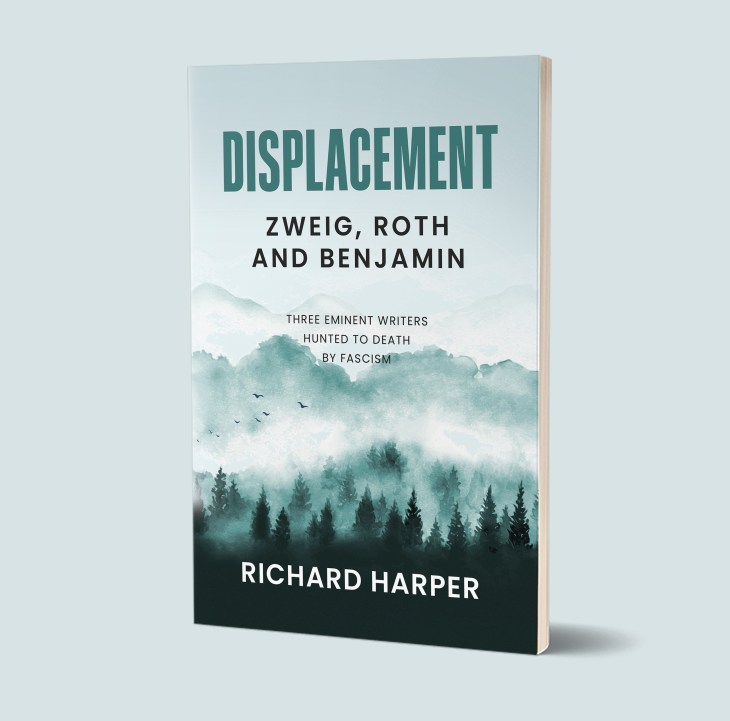
In an era when refugee boats brave treacherous waters and millions flee conflict zones, Richard Harper’s “Displacement” examines exile through the lives of three literary giants: Stefan Zweig, Joseph Roth, and Walter Benjamin. Though set against the backdrop of rising fascism in the 20th century, their stories mirror contemporary struggles of displacement and persecution.
Understanding Modern Displacement Through Historical Lens
Harper masterfully weaves the narratives of these writers who faced persecution and eventual exile. Their experiences provide crucial insights into today’s global refugee crisis, where similar patterns of displacement and survival persist. From Channel crossings to Mediterranean routes, the echoes of history resound in current headlines.

The Human Cost of Exile
Through intimate portraits of Zweig, Roth, and Benjamin, “Displacement” reveals the personal toll of forced migration. These writers’ struggles – losing homes, identities, and ultimately their lives – parallel the experiences of millions today fleeing conflicts in various parts of the world. Their stories remind us that behind every refugee statistic lies a human narrative of loss, resilience, and hope.
Bridging Past and Present
The book’s relevance extends beyond literary biography. It serves as a lens through which to view contemporary humanitarian challenges, from the UK’s refugee policies to global responses to mass displacement. Harper’s analysis demonstrates how historical persecution informs our understanding of current crises.
Impact on Contemporary Discourse
“Displacement” arrives at a crucial moment in global politics as nations grapple with unprecedented refugee movements. By examining these literary figures’ experiences, the book contributes valuable perspectives to ongoing debates about immigration, asylum, and human rights.
Available from March 11, 2025, “Displacement” is an essential reading for anyone seeking to understand historical and contemporary aspects of forced migration. It stands as a testament to literature’s power to illuminate humanitarian crises across time.

 ARROW GATE PUBLISHING